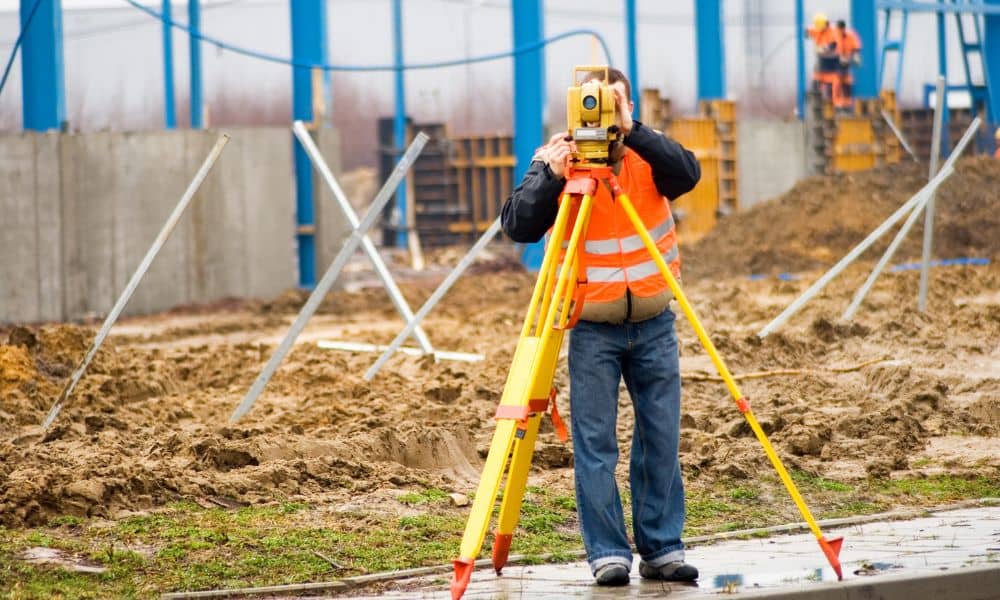
Most construction problems do not start with the build itself. They start much earlier, when plans meet real ground conditions. On paper, everything looks correct. Lines are straight, measurements match, and every corner has a place. Once work begins, small differences show up fast.
That is where a construction surveyor becomes important. They help make sure the structure is placed exactly where it should be before concrete, framing, or grading begins.
When Plans Look Right but the Field Says Otherwise
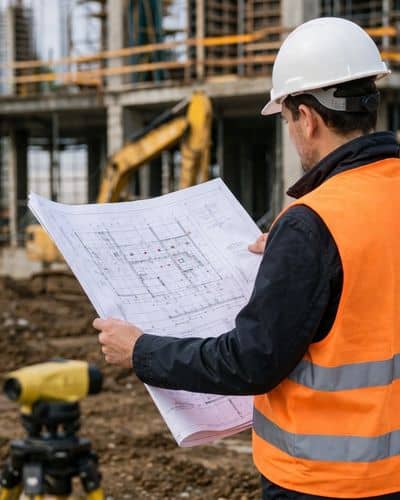
Many layout mistakes begin with simple trust in the drawings. Contractors receive plans and expect them to match the site. That works in theory, but land is not perfect and drawings do not always reflect what is actually there.
For example, a site might have older reference points that no longer match updated designs. In other cases, different sheets in the same plan set show small changes that are easy to miss. Even a small mismatch can shift a building by inches. That may not sound like much, but it can affect setbacks, driveways, or utility access.
Because of this, relying only on paper plans creates risk before work even starts.
Why Layout Mistakes Happen So Often
Layout mistakes usually come from gaps in information. Plans move through several hands before they reach the field. Architects design them, engineers adjust them, and contractors interpret them. Somewhere in that process, small details can shift.
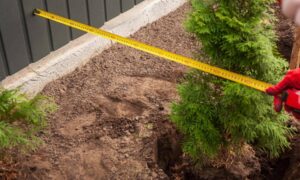
Sometimes the site itself adds pressure. Old markings may still exist on the ground. Trees, fences, or pavement can hide real boundaries. In other cases, crews work under time pressure and assume the plans are already field ready.
So even when everyone does their job, errors still appear. The issue is not carelessness. It is the gap between design and real site conditions.
What a Construction Surveyor Does Before Work Begins
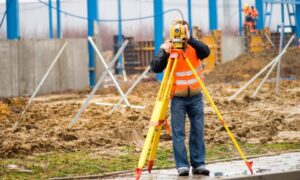
A construction surveyor steps in before heavy work starts. Their main job is to connect the plan to the real world with accurate reference points.
They begin by setting control points on the site. These points act as anchors for all measurements. From there, they check that the drawings match those anchors.
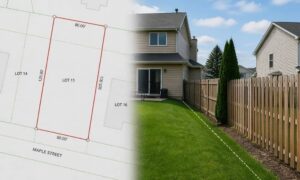
Next, they review key elements like building corners, property limits, and elevation levels. If something does not line up, they flag it early. This step matters because fixing issues before construction is far easier than correcting them later.
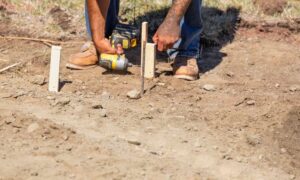
They also translate the design into clear ground markings. These markings guide crews during layout so every part of the structure starts in the correct place.
Common Layout Problems on Construction Sites
Layout mistakes show up in different ways, but they often follow familiar patterns.
One common issue is a building shifted slightly off position. Even a small shift can create problems with setbacks or access paths. Another issue is incorrect alignment of driveways or walkways, which affects how people enter and exit the property.
Elevation errors also happen. If the ground level is not set correctly, drainage problems can follow. Water may flow in the wrong direction and create long-term damage.
Utility conflicts are another issue. A structure may end up too close to underground lines if layout is not checked carefully.
These problems are not always visible right away. They often show up after work has already moved forward.
How a Construction Surveyor Helps Prevent Rework
The biggest value of a construction surveyor is prevention. They catch problems before they turn into expensive fixes.
They start by reviewing the plans for consistency. If different sheets show different measurements, they identify it early and resolve it before anything reaches the field. After that, they confirm site control points so every measurement starts from a solid, reliable base.
Once that is set, they guide the layout process step by step. A construction surveyor for site layout ensures that what gets marked on the ground matches the actual design instead of assumptions or small interpretation errors that can throw things off later.
If something does not line up on site, it gets flagged right away before construction moves forward. That early check makes a big difference once crews are working and deadlines are tight.
It also reduces the risk of tearing out finished work. Fixing a problem before construction starts is always quicker and cheaper than correcting it after concrete is poured or framing is already in place.
The Real Cost of Getting Layout Wrong
A small layout mistake can grow quickly. A misplaced foundation may lead to structural changes. A shifted driveway can affect grading and drainage. Even minor errors can delay inspections.
Delays often lead to higher labor costs and material waste. Crews may need to redo work that was already finished. That adds pressure to the schedule and the budget.
There is also a chain reaction. One mistake can affect several parts of a project. A single wrong corner can change walls, utilities, and finishes. That is why early verification matters so much.
Why This Matters in Cities Like Minneapolis
In cities like Minneapolis, construction sites often come with added pressure. Many projects sit on tight urban lots where space is limited, which leaves little room for correction once work begins.
Older neighborhoods can also add complexity. Property records and existing site conditions do not always match perfectly. On top of that, short construction seasons mean projects move quickly once they start.
Because of these factors, layout accuracy becomes even more important. A small mistake can lead to delays that are hard to recover from during limited build windows.
When to Bring in a Construction Surveyor
The best time to involve a construction surveyor is before ground work starts. Once excavation begins, any mistake becomes harder to fix and is usually more expensive.
It also helps to bring them in early when different plan sets need to work together. Architectural and civil drawings do not always line up perfectly, so a quick check at the start helps clear up issues before anything reaches the field.
In situations like this, pre-construction survey services usually help keep things on track. It simply means the site is checked and aligned before layout work begins, so crews are not dealing with surprises later.
Sites with tight boundaries or more complex grading also benefit from early survey support. There is less room to adjust once construction is underway, so catching issues early keeps the project smoother.
Closing Thoughts
Most construction issues do not appear suddenly. They start quietly during layout when plans meet real ground conditions. Small differences at this stage can turn into larger problems later.
A construction surveyor helps reduce that risk by checking plans, confirming control points, and guiding layout with accurate field data. This early step keeps the project aligned with what was actually designed, not just what was assumed on paper.