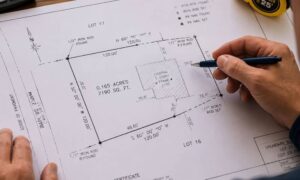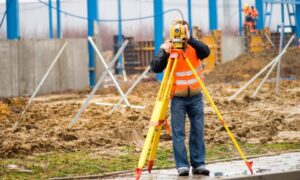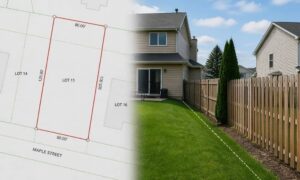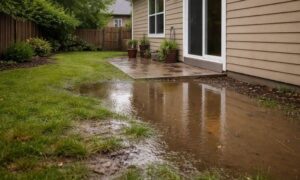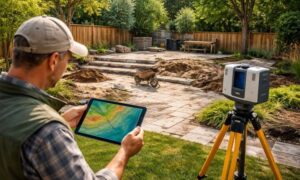
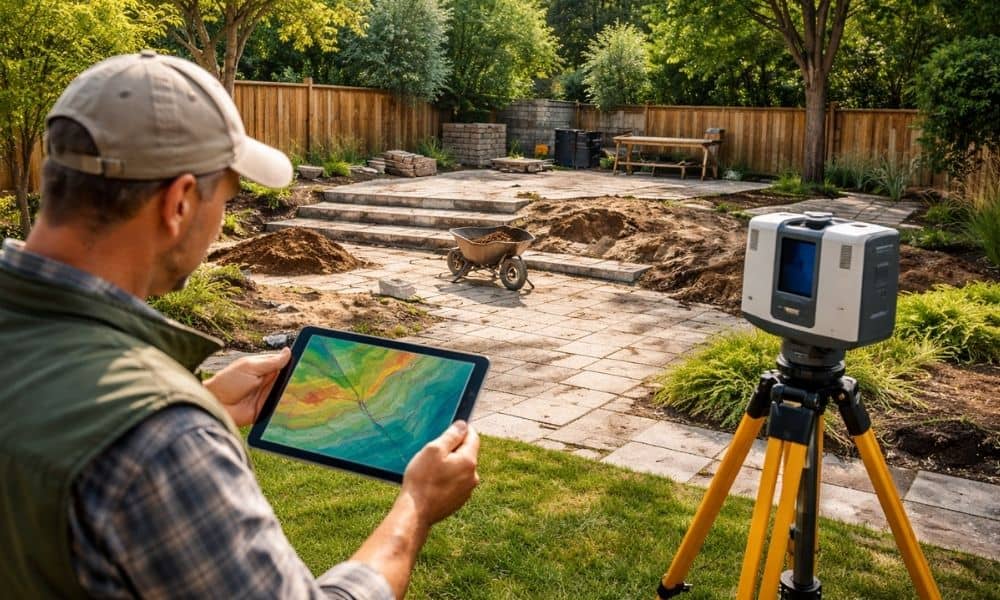
A backyard project often starts with a simple plan. Maybe you’re imagining a new patio, a garage, or a yard that finally feels level and clean. At first, everything seems simple. The ground looks flat. The space feels ready to use. So you get started. Then reality kicks in. As work begins, little problems pop up. Water collects in spots it shouldn’t. The ground feels uneven underfoot. A slope appears where no one noticed it before. Suddenly, the project slows down. Adjustments are needed, and costs begin to climb. This is usually the moment people realize they were going off what they could see, not what was really there. Using lidar mapping to better understand your yard early on can make a real difference. It doesn’t change your plan, but it helps you see the ground clearly before you start digging, pouring concrete, or laying pavers.
Why Backyard Projects Can Be Trickier Than They Look
Backyards often have hidden challenges, especially on older lots. Over time, grading can shift, soil can settle, and water can carve unexpected paths.
The seasons also play a big role. Snow piles up in winter, then melts quickly in spring. That water can move across your yard in ways you wouldn’t expect. A yard that seems dry and level in summer may behave very differently in spring.
And let’s not forget the trees. Mature trees are beautiful and provide shade, but they can hide the true shape of the land. A yard might look smooth from above, yet subtle dips and slopes can be lurking underneath. Even when everything seems fine, the land often tells a different story once work starts.
What LiDAR Mapping Helps You See
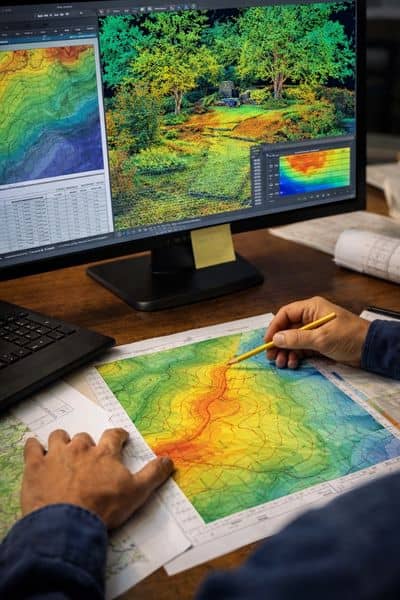
You don’t need to think of lidar mapping as some complicated tech. It’s really just a way to get a clearer view of your yard. It can show small slopes and low spots that are easy to miss, and even highlight areas where water tends to pool or run.
With lidar mapping for your property, you get a more complete picture of what’s really happening. You’re not guessing based on what looks flat from the surface—the ground tells the story itself. That insight makes it easier to make decisions and avoid surprises before any construction begins.
When LiDAR Mapping Makes the Most Sense
Not every project needs it, but there are situations where it’s especially useful.
Even a yard that looks level can have subtle slopes. Those small changes can affect how a patio sits or how a driveway drains. A minor slope can lead to uneven surfaces or standing water if it’s not addressed early.
If drainage has been an issue—maybe water pools after rain or snowmelt—lidar mapping can help you understand where it’s coming from and where it’s going. That way, you can plan with confidence rather than guess.
Permanent structures raise the stakes even higher. A garage, a retaining wall, or a large patio isn’t easy to adjust once it’s built. LiDAR mapping gives you a clearer picture, so the foundation of your plan is solid from the start.
Even trees can make things tricky. Mature trees can hide changes in elevation. The surface might look even, but the land underneath can tell a very different story. LiDAR mapping helps reveal these hidden differences.
Nearby properties can also play a role. Water can flow from higher adjacent lots toward your yard or drain away from it. Understanding these relationships is important to avoid surprises later.
When You Probably Don’t Need It
At the same time, not every project requires detailed mapping. Small updates like planting beds or light landscaping usually don’t need this kind of analysis. A flat, recently developed yard may not require it either.
The key is to use lidar mapping when the situation calls for it—not as a default step.
Common Problems When You Don’t Have a Clear View
Many backyard issues start simply because the land is misread. A surface might look even, but water moves differently once construction begins. A patio might need adjustment because the slope wasn’t obvious at first. A yard may need regrading after work is already done.
These problems aren’t always due to poor workmanship—they often happen because the right information wasn’t available early on. LiDAR mapping helps reduce these surprises by giving you a better picture from the start.
Deciding If It’s Worth It for Your Property
Every yard is different, which means the decision depends on your situation. If your project is large, permanent, or related to drainage, having accurate data makes a difference. If your yard has trees, uneven ground, or past water issues, the value increases.
If the work is small and the land is easy to read, you may not need it. The idea is to use lidar mapping as a smart tool when it’s truly useful.
Start With a Clear Picture Before You Build
Backyard projects often seem simple at first, but the ground can hold hidden details. That’s why planning ahead matters.
LiDAR mapping isn’t required for every homeowner, but when it’s needed, it helps you see your property clearly. That clarity makes planning easier, reduces surprises, and leads to better results.
In the end, understanding the land before you dig or build is what makes backyard projects run smoothly—and what most property owners really want before they start.