When Minneapolis gets its first real freeze of the season, most people start thinking about snow tires, ice melt, and keeping the heat running. But if you own property or plan to build soon, there’s one thing that should also be on your mind — a boundary line survey.
That first hard freeze can change how land behaves. Soil tightens, markers get buried, and frozen ground makes surveying harder. Waiting until spring might sound easier, but that can lead to delays, extra costs, and even property line mix-ups that are tough to fix once the snow settles.
Frost Changes More Than Just the Ground Surface
Once the temperature drops below freezing, the top layers of soil begin to harden. This frozen layer — often several inches deep — doesn’t just sit on the surface. It expands and contracts, moving the ground ever so slightly.
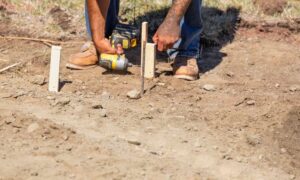
That small movement can push survey pins upward, tilt fence posts, or bury the corner markers used to define your lot. When those markers move or get covered in ice, a survey crew must spend more time finding or re-establishing them. In some cases, that means waiting until the ground thaws — a delay that slows down construction permits or spring projects.
Getting your survey done now, while conditions are still manageable, helps avoid those problems. You lock in your true boundaries before frost becomes a bigger obstacle.
The Pre-Holiday Rush for Surveys
There’s another reason why early winter is a surprisingly busy time for surveyors. As soon as the first freeze hits, homeowners and developers scramble to finish last-minute projects before snow piles up. Many are applying for permits or closing property deals before the year ends.
Surveying firms across Minneapolis often see their calendars fill fast in November. Add in holiday office closures and slower processing times, and you can imagine how quickly things back up.
If you plan to build a fence, add a garage, or finalize a sale, ordering your survey now helps you stay ahead. By the time spring arrives, you’ll already have the paperwork and clear boundaries in hand — ready to break ground the moment the frost melts.
What a Boundary Line Survey Really Does

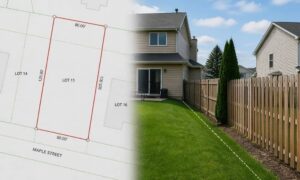
A boundary line survey isn’t just about drawing lines on a map. It’s a professional checkup of your property’s legal limits. Licensed surveyors use your deed, past plats, and official coordinates to find or reset the exact corners of your land.
This matters because fences, driveways, and even landscaping sometimes stretch a few inches past where they should. It might not sound like much, but in dense Minneapolis neighborhoods, a few inches can cause disputes. A proper boundary line survey ensures that any structure you build — from a fence to a patio — stays within your property and meets local code.
Right now, with shifting soil and buried markers, it’s even more important to confirm those lines before making changes or signing contracts.
Winter Challenges That Catch Homeowners Off Guard
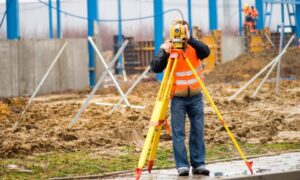
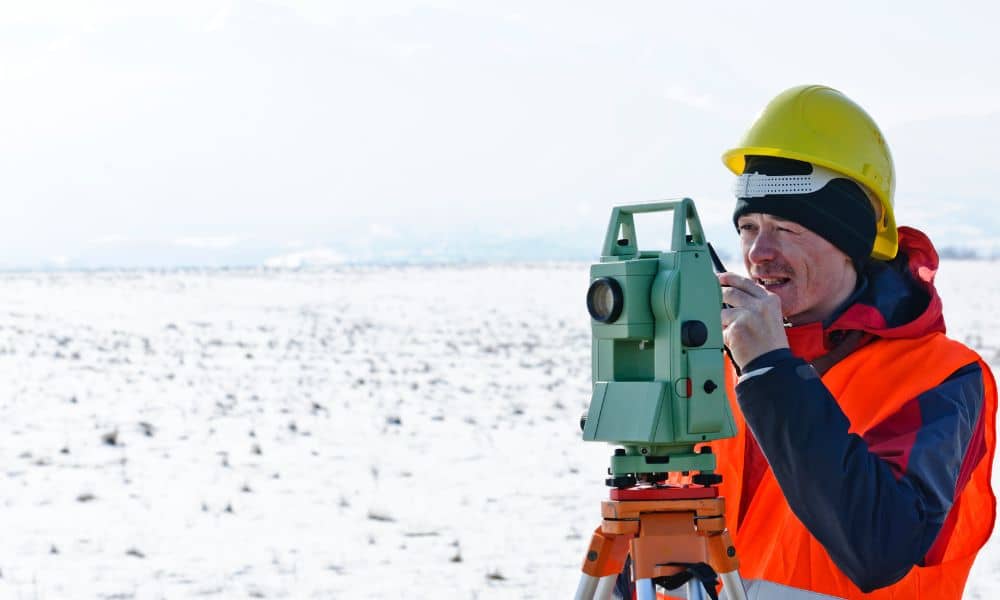
After the first freeze, survey work doesn’t stop, but it does change. Crews have to deal with frozen ground, limited daylight, and cold-weather calibration of their instruments. Even a thin layer of snow can hide survey points.
That’s why some homeowners are surprised to find that waiting until “after the holidays” really means waiting until March or April. By then, demand spikes again, and you’re competing for appointments with builders starting their spring work.
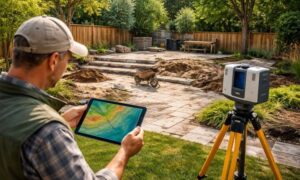
Booking your survey in early winter avoids that crunch. Once the data is collected, your surveyor can provide both a sketch and a digital file for your records. It’s easy to share with contractors or city offices when needed.
How a Winter Survey Helps Your Spring Plans
Think of a boundary survey right after the first freeze as early preparation. If you’re planning to add a shed, expand your driveway, or start a home addition next year, you’ll already have your site details ready.
Your surveyor can also leave temporary stakes or reference points that make re-staking simple once the ground thaws. When spring comes, you won’t be stuck waiting for scheduling backlogs or new measurements. Instead, you’ll move straight into construction.
It’s the same logic builders use for “winter planning” — finish the paperwork and groundwork now so your project launches fast once the weather improves.
What to Expect When You Call a Surveyor
When you reach out to a surveyor after the first freeze, they’ll likely ask a few basic questions:
- Has your property been surveyed before?
- Do you have a copy of your deed or previous plat?
- Is there snow cover or visible corner pins?
Having this information ready helps schedule your survey faster. The crew will visit your property, locate existing pins, verify measurements, and provide a drawing showing the official lines. Depending on weather and site size, the process usually takes just a few days.
Why Acting Now Pays Off
The cost of waiting can be higher than most people expect. If frost or snow covers corner markers, surveyors might need to return later — meaning extra mobilization fees. If offices delay filings because of holiday closures, your closing or permit could slip weeks behind schedule.
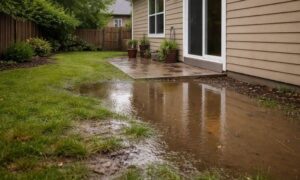
More importantly, frost movement can make your structures appear slightly off when they’re not. That confusion can lead to unnecessary disputes or rework when the thaw shifts everything back.
By confirming your boundaries now, you freeze your records in the best way possible — with accurate, up-to-date data that holds through the winter.
Secure Your Lines Before They Disappear Under Snow
In Minneapolis, the first freeze isn’t just the start of winter — it’s the sign that the window for easy surveying is closing fast. While many people wait for spring, smart property owners schedule their boundary line surveys early and enjoy peace of mind all season long.
Whether you’re buying, building, or just making sure your fence sits where it should, this simple step keeps you ahead of weather, schedules, and costly surprises.
Before the snow piles up, call a licensed surveyor. Confirm your property lines, lock in your lot’s true limits, and head into winter knowing exactly where you stand — literally.