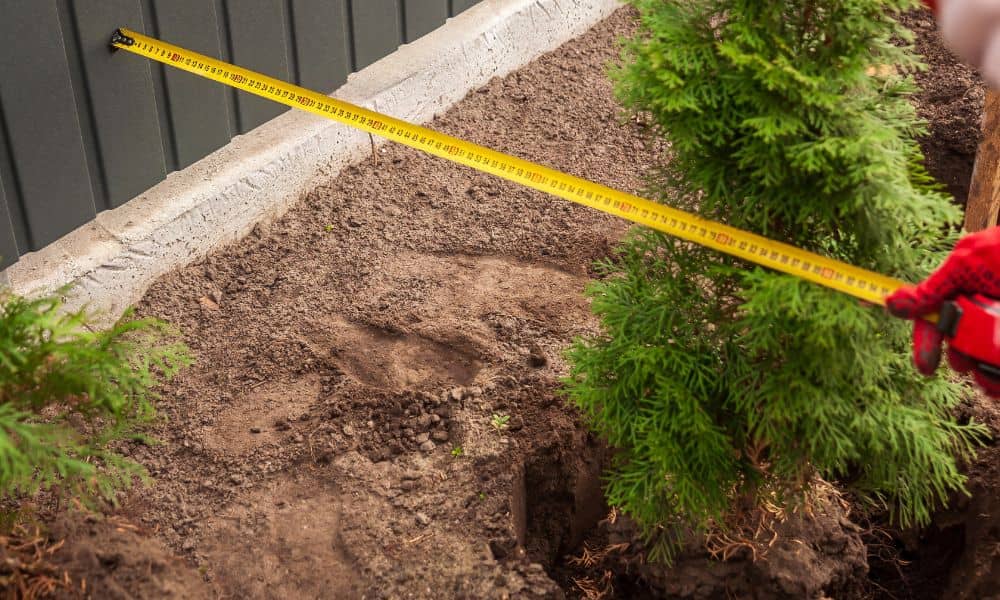
You’re ready to build a fence. You’ve picked the style, talked to a contractor, and maybe even chosen the color. Everything feels simple—until one question comes up: “Are you sure that’s your property line?” At that moment, many homeowners pause. The yard looks clear. The old fence seems to show the line. However, what looks right is not always correct. That’s where a property line survey becomes important. It helps you avoid problems before they start, especially in a city where homes sit close together. Most people don’t think about getting a property line survey at this point, since everything seems straightforward at first.
Fence Projects in Minneapolis Are Not as Simple as They Seem
At first, building a fence feels like a quick project. You measure your yard, mark a line, and start building. However, Minneapolis properties don’t always follow clean, easy lines.
Many homes sit on older lots. Over time, property markers get buried, moved, or lost. At the same time, fences built years ago may not reflect the true boundary.
Because of this, homeowners often rely on what they see. Yet visual clues can be misleading. A straight fence or a clean edge does not always mean it sits in the right place.
So even when everything looks correct, the actual property line can tell a different story.
The Step Most Homeowners Skip Before Building
Most fence projects seem simple at first. You pick a style, call a contractor, get a quote, and schedule the work. It all feels easy.
But sometimes, people skip one important step without even realizing it. They assume the old fence shows the boundary or just guess based on how the yard looks. That’s why a property line survey before building can save a lot of headaches; it’s not just paperwork; it’s knowing for sure where your land begins and ends.
At first, everything might seem fine. Then the contractor asks about a corner, or your neighbor notices the fence edging too close. Suddenly, a small project becomes stressful. Checking the boundary early keeps things smooth and avoids those surprises.
Why Old Fences and Visual Lines Can Be Misleading
It’s easy to trust what’s already there. If a fence has been in place for years, it feels safe to follow the same line.
However, many older fences were not built using accurate measurements. In some cases, they were placed based on convenience rather than a true boundary.
Over time, small mistakes can carry forward. A fence might sit a few inches off. That may not seem like much, yet it can affect the entire layout of your yard.
In addition, natural changes can hide important details. Soil shifts, snow buildup, and landscaping can all cover property markers.
So while a fence may look correct, it does not guarantee accuracy.
What a Property Line Survey Brings to Your Project
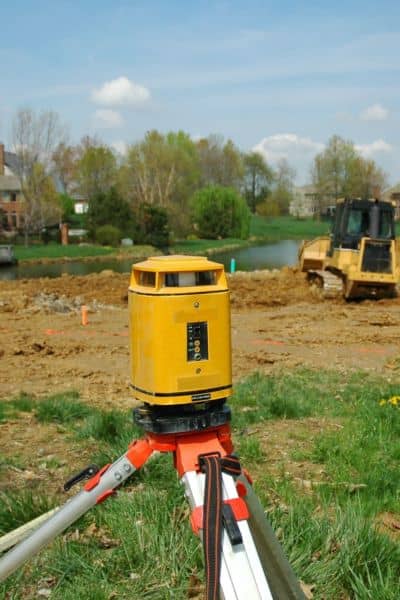
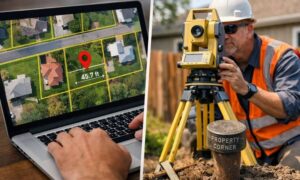
A property line survey removes the guesswork. Instead of relying on what you see, you get clear, measured information.
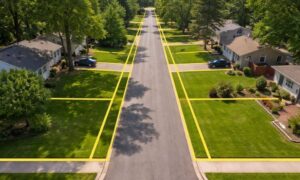
It shows the exact boundary of your land. It also marks the corners, which gives your contractor a reliable starting point.
As a result, your fence goes exactly where it should. There’s no need to adjust mid-project or question the layout.
More importantly, you move forward with confidence. You know the fence aligns with your property, not just a visual estimate.
Why Fence Placement Requires Accuracy in Minneapolis
Fences sit right at the edge of your property. Because of that, even a small mistake can create a big issue.
In Minneapolis, homes often sit close to each other. That means there is very little room for error. A shift of just a few inches can place part of your fence on the wrong side.
At the same time, fences are permanent structures. Once installed, they are not easy to move. So any mistake becomes harder—and more expensive—to fix.
That’s why accuracy matters so much at the start.
How a Property Line Survey Helps the Whole Project Run Smoothly
When you provide a property line survey, your contractor can work with clear direction. Instead of guessing or adjusting on the spot, they follow exact points.
This makes the installation faster and more efficient. It also reduces the chance of delays.
In addition, everyone stays on the same page. You, your contractor, and even your neighbor can see where the boundary sits.
Because of that, the project feels smoother from start to finish.
The Right Time to Get a Property Line Survey
Timing plays a big role in any project. If you wait too long, small issues can turn into bigger ones.
That’s why it’s best to get a property line survey before:
- ordering materials
- scheduling installation
- marking the fence layout
By doing this early, you avoid last-minute changes. You also protect your investment before any work begins.
Why This Step Saves More Than It Costs
Some homeowners hesitate because they want to save money. Skipping the survey may seem like an easy way to do that.
However, problems often cost more in the long run.
If a fence goes in the wrong place, you may need to move or rebuild it. That adds labor, materials, and time.
On the other hand, a survey helps you get it right the first time. It prevents rework and keeps the project on track.
So while there is an upfront cost, it often leads to long-term savings.
Building with Confidence Starts with Clarity
A fence can improve privacy, security, and the look of your home. It’s a great upgrade when done right.
However, building without clear boundaries can create stress and uncertainty.
A property line survey gives you the clarity you need before you begin. It turns a guess into a plan and helps your project move forward without surprises.
So before you build your fence, take a moment to confirm your property line.
That one step can make the entire process easier—and give you peace of mind long after the project is done.