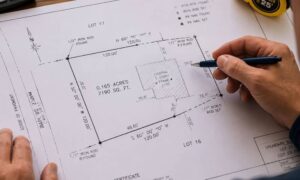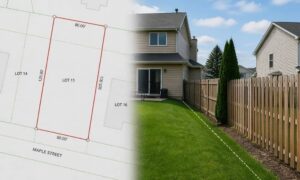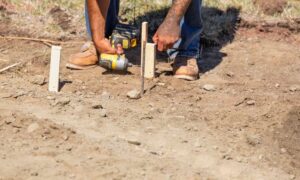
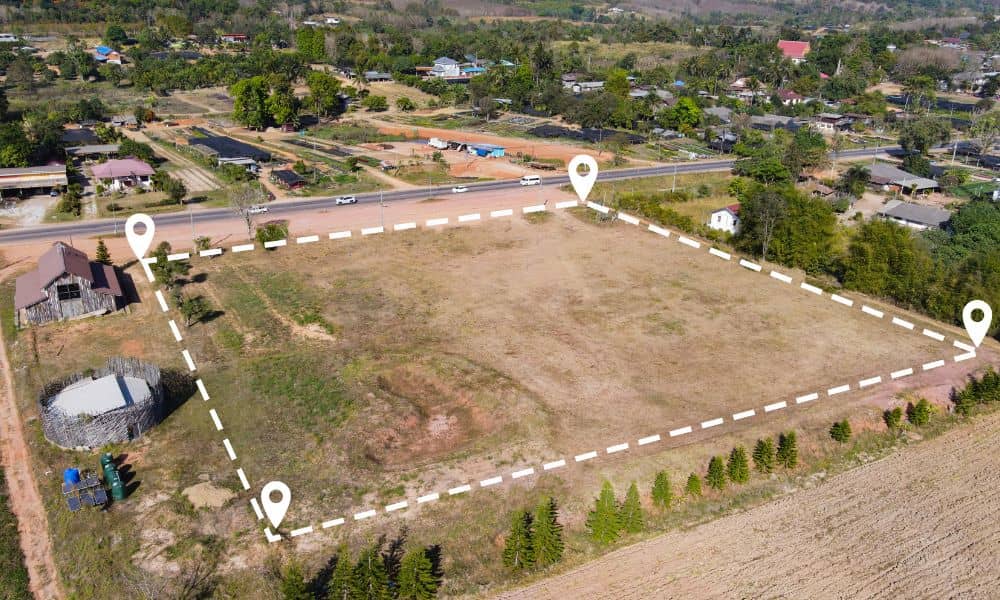
Zoning changes in Minneapolis are getting attention for how they affect housing and development. However, most property owners are missing a quieter impact. As zoning rules loosen and land use options expand, the exact definition of a property matters more than it used to. Because of that, more people now need a lot survey, often before they even start planning.
This shift is not limited to large developers. Homeowners, buyers, and small investors are feeling it too.
Zoning Flexibility Brings New Questions
Minneapolis has been adjusting zoning rules to allow smarter use of land. In many areas, properties can support changes that were not possible before. At first glance, that sounds like an opportunity. Still, every new option depends on one thing: knowing the true size and shape of the lot.
Zoning rules rely on boundaries, setbacks, and buildable space. If those details are unclear, even a good idea can stall. As a result, property owners are realizing that zoning flexibility does not reduce paperwork. Instead, it increases the need for accuracy.
That is where a lot survey become part of the conversation much earlier than expected.
When Paper Rules Meet Real Ground

Zoning exists on paper, but land exists on the ground. This gap causes problems when property details are assumed instead of confirmed. Many owners rely on old records or online maps. Those tools help with planning, but they do not define legal boundaries.
In the past, these gaps stayed hidden. Now, zoning changes bring them to the surface. When a project moves forward, officials want proof. Designers want clarity. Lenders want certainty. A lot survey provide that foundation.
Because of this, surveys are no longer seen as optional. They are becoming a starting point.
Homeowners Are Running Into Surprises
Homeowners often feel caught off guard. They plan an addition, adjust a driveway, or add a structure. Everything seems fine until the city reviews the details. Suddenly, setbacks or lot dimensions come into question.
Without a lot survey, owners rely on guesswork. That guesswork can lead to redesigns, delays, or disputes. Once zoning rules become more flexible, they also become more precise. Officials expect exact measurements, not estimates.
As a result, many homeowners now order surveys before they submit plans.
Buyers Are Asking Better Questions
Buyers are also adjusting their approach. Zoning flexibility makes some properties more valuable. However, that value only exists if the lot supports the intended use.
A lot survey answer questions buyers cannot afford to ignore. It shows whether boundaries match expectations and whether past improvements affect future plans. Without that clarity, buyers risk overpaying or losing time during closing.
Because of this, surveys are moving from a late-stage task to an early due diligence step.
Older Properties Feel the Impact First
Minneapolis includes many older neighborhoods. Over time, boundaries blur. Fences move. Structures cross lines. Records conflict. These issues often stay unnoticed until zoning changes reopen old questions.
When owners revisit these properties with new plans, a lot survey often reveal details that never mattered before. Now, however, they can shape what the property can legally support.
Zoning changes do not create these issues. They simply expose them.
Why Timing Matters More Than Cost
Some owners delay surveys to save money. In today’s zoning climate, that delay often costs more later. Redesigns, permit revisions, and legal questions add up quickly.
Ordering a lot survey early reduces uncertainty. It allows better planning and smoother approvals. More importantly, it gives owners control over decisions instead of reacting to surprises.
This change in timing explains why survey demand is rising quietly but steadily.
The Bigger Picture
Zoning changes aim to improve how Minneapolis grows. That goal depends on clear property definitions. As rules allow more flexibility, accuracy becomes non-negotiable.
A lot survey turn zoning from an abstract policy into something practical and usable. It bridges the gap between what is allowed and what is possible.
Closing Thought
Zoning may change, but property lines do not. Still, they must be proven. As Minneapolis continues to adjust its zoning approach, property owners who understand their land gain an advantage.
A lot survey do more than confirm boundaries. It provides clarity in a changing landscape and helps property owners move forward with confidence.