
If you’re buying or selling a home near the river or one of the city’s many creeks, you’ve probably heard the term FEMA Elevation Certificate come up. This single piece of paper could make or break a deal—especially right now, when there’s talk of the National Flood Insurance Program (NFIP) shutting down this week. For homeowners in flood-prone parts of the Twin Cities, the timing couldn’t be worse.
Why the NFIP Lapse Matters
The NFIP is the federal program that makes flood insurance available to property owners across the country. When Congress fails to renew its funding, the program grinds to a halt. Existing policies remain in place, but new ones can’t be written. That’s a big problem for anyone trying to close on a mortgage in a flood zone.
In Minneapolis, this hits close to home. Properties along the Mississippi River, Minnehaha Creek, Bassett Creek, and Shingle Creek often fall within mapped floodplains. Lenders require active flood insurance for these homes. If the NFIP pauses, new coverage is frozen. Without coverage, closings stall. And without a FEMA Elevation Certificate, even existing deals risk collapse.
What the Certificate Does

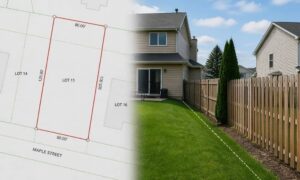
So what exactly is a FEMA Elevation Certificate? It’s an official survey document that shows the relationship between your home’s ground elevation and the expected flood level in your area. Licensed land surveyors prepare it using precise field measurements.
The certificate tells insurers and lenders whether your property sits above or below the base flood elevation. If you’re higher than the risk zone, your premiums may be lower. If you’re lower, costs can jump. But either way, the certificate is the key that lets lenders issue a mortgage and insurers calculate rates.
Minneapolis Flood Risk in Focus
Flooding in the Twin Cities is not just a spring thaw issue. Heavy summer rainstorms have caused flash flooding in neighborhoods that seemed “safe” on paper. Just last week, hail and downpours overwhelmed storm drains and left pools of water across the city. For homes near water corridors, the threat is constant.
Because of this, buyers often find flood insurance attached to the deal. Sellers may not even realize their property sits in a mapped zone until an underwriter pulls a Flood Insurance Rate Map. That’s when the scramble begins: get a FEMA Elevation Certificate, confirm the numbers, and hope the deal doesn’t fall through.
How Closings Get Caught
Imagine this: you’re set to close on a house near Minnehaha Creek. Your financing is ready, the inspections are done, and the moving truck is booked. Suddenly your lender says, “We need a flood insurance policy before we can release the loan.”
You contact an insurance agent, but the NFIP is paused. They can’t write a new policy. Even if it wasn’t paused, they’d still ask for your FEMA Elevation Certificate before giving you a price. Now the deal is frozen, and every day costs you money in delays.
This is why surveyors are bracing for a flood of calls. When the NFIP stutters, homeowners realize they need certificates immediately. With survey schedules already tight, that rush can mean missed closings.
What Buyers and Sellers Can Do
Here’s the good news: you don’t have to wait for disaster. If you live near the Mississippi River or any creek system, you can be proactive. Order a FEMA Elevation Certificate before you list your property. That way, buyers know exactly where things stand and lenders have the documentation they need.
For buyers, ask about elevation data as early as possible. Don’t wait until the final week before closing. If the seller doesn’t have a certificate, build extra time into the contract so a surveyor can prepare one.
Working with a local licensed land surveyor also helps. They know the quirks of flood zones, from riverbank bluffs to low-lying backyards. A local surveyor can explain what the numbers mean, not just hand you a form.
Why Timing Is Everything
In real estate, timing is often the difference between a smooth deal and a nightmare. With the NFIP potentially pausing this week, the timeline is even tighter. Lenders don’t care why a program is down—they only care that insurance is in place. Without it, your closing won’t move forward.
This is where the FEMA Elevation Certificate becomes more than paperwork. It’s leverage. If you already have one in hand, you can shop policies quickly when NFIP resumes. If you don’t, you may find yourself waiting weeks for survey availability while your buyer grows impatient.
Local Resources to Use
Minneapolis and Hennepin County offer several online tools to check flood risk. FEMA’s Flood Map Service Center is another free starting point. But maps can only go so far. They show zones, not your exact elevation. That’s why the certificate is irreplaceable.
If you want the full picture, start by checking the official flood maps for your area through FEMA’s Flood Map Service Center. Many counties and cities also provide online mapping tools where you can see if your property falls inside a flood zone. But remember, maps only show zones—they don’t tell you the exact elevation of your home. That’s where a licensed land surveyor comes in. By measuring your property and providing a certified FEMA Elevation Certificate, they give you the document lenders and insurers trust. It may feel like one more step in the process, but it’s the step that can protect your deal anywhere flood risk exists.
Conclusion:
The Minneapolis housing market is competitive. Deals move quickly, and buyers don’t have time to wait out a flood insurance freeze. A FEMA Elevation Certificate could be the single factor that keeps your sale on track if the NFIP pauses this week.
If you’re a seller near the river or a buyer eyeing a creek-side lot, don’t leave things to chance. Secure the certificate now, work with a trusted surveyor, and stay one step ahead of the headlines. In a city shaped by water, preparation is the smartest move you can make.