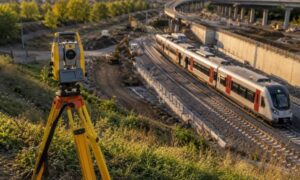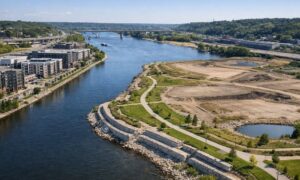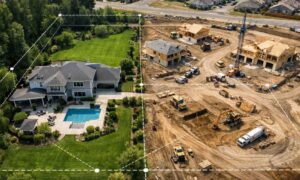
Minnesota is building new transit systems. Light rail, bus corridors, and transit stations are coming to many communities. If your property is near one of these projects, you need an ALTA land survey. This isn’t optional. It’s smart business.
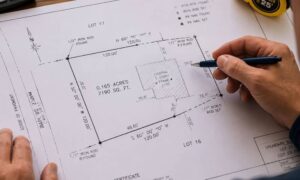
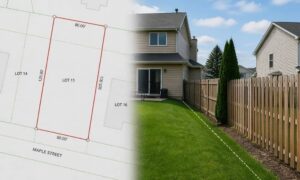
An ALTA land survey is a detailed map of your property. It shows exact property lines, easements, and current conditions. For developers working near transit projects, this information prevents expensive problems later.
Planned Transit Projects Can Affect Property Rights
Transit expansion changes everything around your property. New stations need land. New rail lines need right-of-way space. New bus terminals need utilities rerouted. These changes affect your property’s legal status and how you can use it.
Why This Matters to You
When a transit project gets built, property owners often discover:
- The city takes part of their land for the project
- New utility lines cross their property
- Old driveways no longer work
- Water and sewer lines move to new locations
An ALTA land survey documents what your property looks like right now. This becomes proof if you need to negotiate with the transit authority later.
The Timeline Factor
Transit projects take years to build. That time between announcement and construction is your opportunity. Get a survey early. Don’t wait until crews show up at your door.
An ALTA Land Survey Helps Identify Existing Access Conditions
Your property’s access routes are important. Driveways, utility lines, and easements all matter. An ALTA land survey documents all of this precisely.
What Gets Documented
The survey shows:
- How you currently get in and out of the property
- Where utility lines are located (power, water, sewer, internet)
- Drainage and stormwater rights
- Fences and walls
- Parking areas
- Any problems where neighboring properties extend onto your land
When transit construction happens nearby, this survey is your record. If a utility company claims a different location or a neighbor disputes a boundary, your survey proves what’s actually there.
Access Changes Are Real
Transit projects often move utilities. Bus routes may need new water lines. Rail projects may need fiber optic cables. Knowing exactly what you have now protects you when these changes happen.
Future Transit Improvements Can Influence Commercial Property Decisions
Developers, investors, and banks look at properties near transit differently. They want to know exactly what they’re buying.
How Accurate Survey Data Helps
Banks now require updated surveys for properties near big infrastructure projects. An ALTA land survey provides:
- Clear boundary lines for calculating usable land
- Exact setback measurements for zoning rules
- Documented easements that might limit building placement
- Site slopes that affect construction costs
This information helps developers plan projects accurately. A survey that reveals a utility easement you didn’t know about prevents costly mistakes. Knowing exact setbacks means your design will pass city approval.
Investors Want Certainty
When investors look at property near a planned transit station, they want facts, not guesses. An ALTA land survey removes the guessing game. It shows what you actually have.
Survey Records Help Coordinate With Engineering and Design Teams
Once you decide to build near a transit project, architects and engineers need precise information. They use survey data to plan buildings, utilities, parking, and drainage. Without accurate survey information, mistakes happen. Mistakes cost time and money.
Engineering Coordination
Architects and engineers use ALTA survey data to:
- Find utilities before designing anything
- Verify property boundaries
- Calculate site slopes and drainage
- Confirm enough space for required setbacks
- Plan for nearby transit construction impacts
When transit construction is happening nearby, your design team needs to know about it. If a utility gets relocated or a right-of-way changes, the survey helps the team plan around these changes before construction starts.
Permitting Advantage
City planners and transit authorities review survey data as part of permitting. Having complete and current ALTA survey information speeds this up. It reduces back-and-forth questions.
Ordering an ALTA Land Survey Before Nearby Construction Begins Reduces Surprises
The best time to get an ALTA land survey is before major construction starts. This gives you a documented record of current conditions.
What Gets Protected
An early survey establishes:
- A baseline of what your property looks like now
- Documented easements before construction crews arrive
- Accurate boundary information before work affects adjacent properties
- Records of utilities before they get relocated
- Site slopes and drainage patterns before construction changes them
Real Cost Benefit
An ALTA land survey costs $2,500 to $5,000. This sounds expensive. But discovering an easement you didn’t know about during construction costs far more. Getting the survey upfront saves money later.