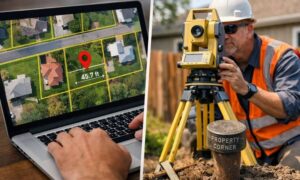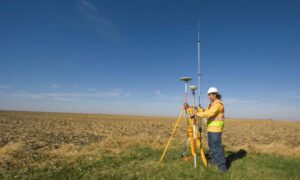

Minnesota has seen a wave of new flood-risk alerts this season, and many homeowners now want an elevation certificate to understand their true risk. The weather has shifted fast. Storms hit harder, rain falls quicker, and certain neighborhoods notice water pooling in places that never had problems before. Because of this, people across the city feel unsure about what rising flood alerts really mean for their homes, their basements, and their long-term plans. Everyone wants clear answers instead of guessing.
These alerts also push more homeowners to look closely at their land. In many parts of the Twin Cities, older survey information no longer matches what people see on the ground. Rainwater moves differently than it did years ago. Neighborhoods grew, new homes changed the slopes, and old drainage paths shifted. When homeowners see these changes, they want reliable numbers. That search often starts with an elevation certificate, which shows how a property sits compared to expected flood levels.
Flood Alerts Reveal New Concerns About Drainage
Flooding used to feel like a seasonal worry, but recent alerts show that it can strike at any time. A quick summer storm can send water rushing through streets and soaking low spots. Homeowners who never thought about flood zones now worry about the next big storm. Some saw water collect near their steps or flow toward their basement windows for the first time. Others watched creeks along their neighborhood edges rise faster than usual.
These moments raise simple questions: “Is my yard lower than I thought?” “Does my home sit at risk?” “Can I trust old maps or old measurements?”
When alerts show certain blocks lighting up in yellow or orange, people want to know the truth about their land’s elevation, not just what a map says. That is why so many homeowners now request updated data. They want clarity long before trouble hits.
Missing and Outdated Markers Add to the Confusion
Minnesota has a long history of land markers called monuments. Surveyors set them decades ago to mark key points on the land. Over time, some of these markers shifted, disappeared, or fell out of use. Construction projects, erosion, and simple aging removed many of them. Because of this, some of today’s elevation information comes from benchmarks that no longer tell the full story.
This problem creates uncertainty in parts of Minneapolis, especially in older neighborhoods where plats date back many decades. In some cases, the numbers homeowners rely on came from measurements made long before recent development changed how water flows. Streets widened, new homes appeared on old lots, and stormwater systems updated. All these changes affected the shape of the land, yet older documents never reflected those changes.
State leaders recognized this issue and started pushing efforts to fix the missing monumentation problem. They want more accurate records, better markers, and updated data that reflects the land as it exists now. Until these improvements spread across the state, many homeowners choose to get their own updated elevation information. They want numbers they can trust, not assumptions based on decades-old markers.
Flood Alerts Expose Old Data Gaps
When a new flood alert pops up, it highlights weak points in old records. Some Minneapolis blocks that never had standing water now deal with surprise pooling during heavy rainfall. This shift doesn’t always point to a large floodplain. Sometimes it means the ground changed enough to send water in new directions. A slight drop in grade or a new shed in a neighbor’s yard can redirect water right toward your foundation.
Rainfall patterns also look different. Storms feel heavier and more sudden than they used to. Water spreads fast through alleys, streets, and yards. This new behavior exposes every small gap in elevation knowledge. Homeowners start wondering if they sit higher or lower than their map shows. They want real numbers taken from their own property, not generic zone data.
These concerns do not come from fear alone. Homeowners also want to plan smarter. They want to know if they should add a drain, reshape a yard, build a barrier, or take smaller steps to improve safety. Accurate elevation information helps them avoid unnecessary fixes and target the right changes.
When an Elevation Certificate Makes Sense for Homeowners
A rising number of homeowners now ask for fresh elevation data even when they don’t live near a creek or river. They want a simple, clear picture. An elevation certificate becomes helpful when:
- Water pools in new areas of the yard
- Recent storms changed how water moves
- A neighbor’s new project changed the slope
- A home sits near a steep grade
- A property lies in an area with missing or outdated markers
- Landscaping projects need precise elevation info
- Basements show early signs of moisture
These situations happen often in older neighborhoods where lots sit close together and small changes create big shifts in runoff. A few inches can change the direction water flows, and homeowners want to know exactly where they stand.
Modern Surveying Gives Homeowners Reliable Numbers
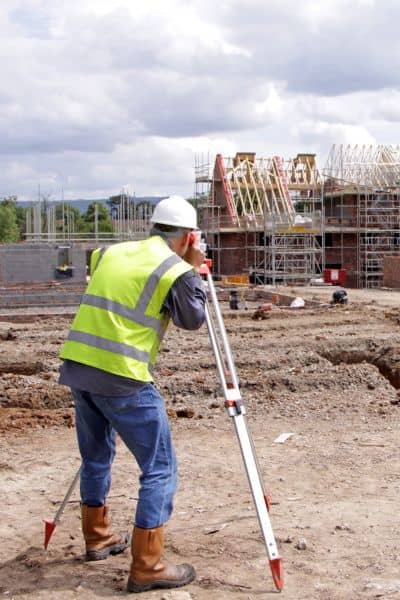
Many homeowners feel relieved when they learn how accurate modern elevation work can be. Surveyors today use advanced equipment that captures precise elevation results. Tools like GNSS receivers, updated digital elevation models, and modern mapping software help overcome missing old markers. They give homeowners a clearer picture of their land as it exists right now.
Because the city continues to grow and change, today’s measurements often tell a more reliable story than anything written decades ago. Modern tools help homeowners see:
- How high their structure sits
- How water flows around their yard
- Where the lowest points exist
- Which areas need improvements
- Whether small grading changes can prevent future trouble
With strong data in hand, homeowners make smart choices about drainage, landscaping, and long-term planning. They no longer guess or rely on outdated maps that never reflected recent changes.
Why Homeowners Want Answers Now
People across Minneapolis feel the impact of stronger storms, higher rainfall, and shifting flood alerts. These shifts make flood-risk information more important than ever. Homeowners want to protect their basements, yards, and long-term property value. They want information based on their land, not broad maps.
An elevation certificate gives them clarity. It shows true ground levels, highlights risk areas, and helps them understand how their property fits into the bigger picture of neighborhood drainage and changing weather patterns. Homeowners use this information to stay ahead of potential problems instead of reacting after damage happens.
Final Thoughts
Minnesota’s recent flood-risk alerts remind everyone that water follows the land, not the lines on a map. When homeowners see changes in how water moves, they want trustworthy data. An elevation certificate provides it. With updated measurements and clear information, homeowners make smart choices, prevent water issues before they grow, and feel confident about their property during every storm season.