
Cities like Minneapolis move fast. Buildings sit close together. Streets stay busy. Underground pipes and cables fill the ground. Because of this, urban properties bring more risk than many people expect. That is why hiring a skilled commercial property surveyor matters so much.
Urban site visits require more than measuring land. A good surveyor looks for hidden problems that can delay projects, cause legal trouble, or increase costs. When these issues get caught early, owners and developers avoid stress and surprise expenses.
Why Urban Sites Are More Challenging
City properties come with tight spaces and busy surroundings. Buildings often share walls or sit only inches apart. Cars, bikes, and people move through the area all day.
Below ground, many utility lines cross and overlap. Water, sewer, gas, power, and internet cables run close together. Because of this, mistakes happen easily.
On top of that, many city buildings have tenants, security rules, and limited access times. For this reason, planning becomes just as important as fieldwork.
A commercial property surveyor must prepare carefully, stay alert, and adjust plans when needed.
Getting Site Access Is the First Step
One of the biggest challenges in city surveying is getting access to the property. Even when a client owns the building, access can still be hard.
Office buildings may require sign-in, escorts, and scheduled visits. Retail spaces may limit access during store hours. Construction sites often need safety training or permits.
A commercial property surveyor confirms all access rules before arriving. They also make sure the right person gives legal permission to enter.
Without this planning, site visits get canceled, and schedules fall apart. Because of this, surveyors work closely with property managers, tenants, and security teams to keep things moving.
Safety Risks Are Everywhere
City sites often have safety risks that rural areas do not. Busy roads, broken sidewalks, damaged walls, and open utility boxes all create danger.
Before starting work, a commercial property surveyor checks the area for hazards. They watch for:
- Loose bricks or crumbling walls
- Open manholes or vault covers
- Uneven pavement
- Heavy traffic
- Active construction
When safety problems appear, surveyors adjust their plans. They may work during quiet hours, wear extra safety gear, or choose safer paths. These steps protect workers and prevent accidents.
Boundary Issues That Cause Legal Problems
Urban buildings often sit close to property lines. Because of this, boundary problems happen more often.
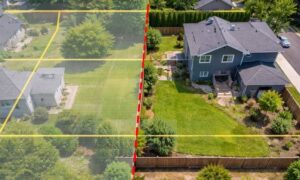
A commercial property surveyor carefully checks lot corners, fences, walls, and roof edges. They also study deeds and property records to confirm legal boundaries.
Common problems include:
- Buildings crossing lot lines
- Fire escapes hanging over nearby land
- Awnings over sidewalks
- Fences placed in the wrong spot
Even small boundary mistakes can delay closings or start legal disputes. Finding these issues early allows owners and buyers to fix problems before they grow.
Crowded Underground Utilities
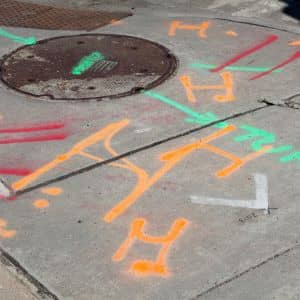
Cities hide massive networks of utilities under the surface. Pipes and cables often run close together. Sadly, old utility maps are not always accurate.
A commercial property surveyor watches for visible signs like manholes, meters, valves, and access boxes. These clues help confirm where utilities really run.
When utility conflicts appear, surveyors alert engineers and designers early. This helps prevent costly redesigns and long construction delays.
Vertical Space Creates Hidden Risk
In cities, buildings grow upward as much as outward. Because of this, overhead features matter.
A commercial property surveyor checks balconies, roof edges, signs, skywalks, and building overhangs. These features sometimes cross property lines or break zoning rules.
Catching these problems early prevents permit delays, legal issues, and costly redesigns.
Public Activity and Security Concerns
Urban sites involve people. Pedestrians, drivers, cyclists, tenants, and visitors all move through the area.
A commercial property surveyor plans routes carefully to avoid crowds and traffic. They also schedule visits during quieter times when possible.
When protests, parades, or public events happen, access rules can change quickly. Because of this, surveyors stay flexible and communicate closely with clients and building managers.
Why Early Survey Work Saves Time and Money
Many deals wait until late in the process to order a survey. This often leads to rushed work, tight deadlines, and higher costs.
When a commercial property surveyor gets involved early, they can spot risks before they cause problems. This allows teams to adjust designs, budgets, and schedules.
Early survey work reduces stress, avoids redesigns, and keeps closings on track.
Planning Keeps Projects Moving
Urban surveys require careful planning. Surveyors study site access, traffic flow, safety zones, and work areas before going to the field.
They also coordinate with tenants and security teams to avoid delays. Because of this planning, crews finish work faster and avoid repeat trips.
Good planning protects schedules and saves money.
Experience Makes a Big Difference
Urban surveying requires special skills. A commercial property surveyor with city experience understands zoning rules, building codes, and infrastructure challenges.
This experience helps them catch problems early. It also gives clients confidence during complex projects.
When surveyors combine technical skill with real-world knowledge, projects move forward with fewer surprises.
Final Thoughts
Urban properties offer strong investment potential, but they also carry serious risks. From site access to safety concerns and boundary problems, every detail matters.
That is why an experienced commercial property surveyor plays such an important role. By spotting issues early, surveyors help prevent delays, legal disputes, and costly mistakes.
In fast-moving cities like Minneapolis, careful planning and expert guidance protect your investment. When you work with the right surveyor, you gain more than measurements — you gain clarity, confidence, and control.