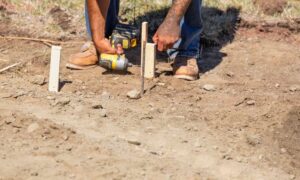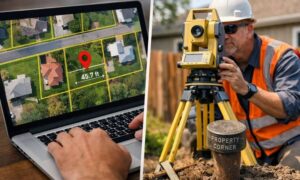
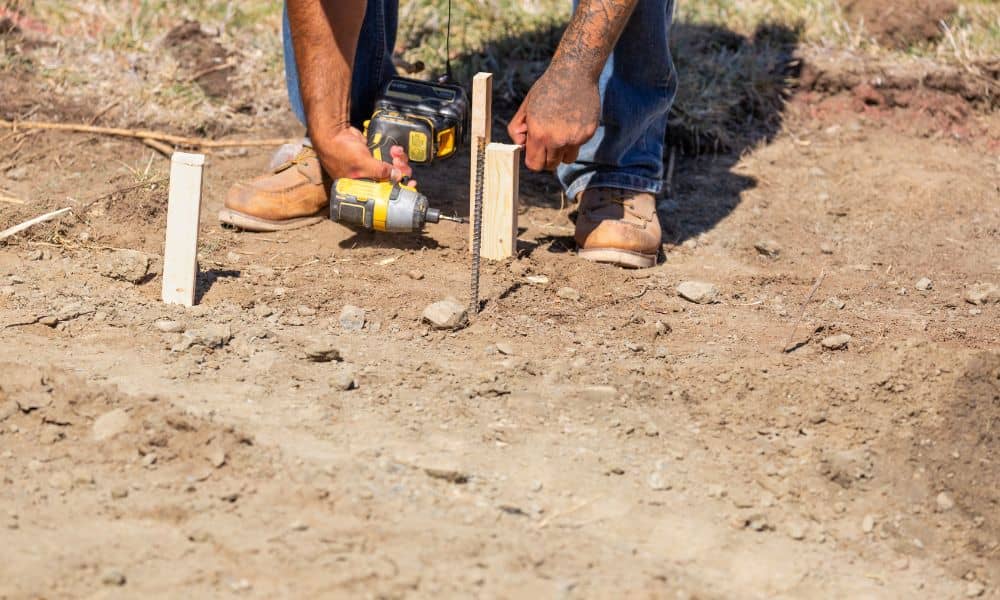
When people hear boundary survey, they usually picture a surveyor walking around a property, putting stakes in the ground, and drawing lines on a map. That’s part of it, but there’s more happening behind the scenes. One thing that often gets overlooked is utility locates—the little flags and markings that show where water, gas, electric, and phone lines run underground. If those marks are wrong, it can cause real headaches later.
In Minneapolis, a mis-marked line can slow down a construction project, cost extra money, or even create legal problems. That’s why having the right surveying expertise matters. A good surveyor knows how to check the utility marks carefully, make sure they line up with property boundaries, and handle any surprises that come up on site. That kind of know-how keeps projects moving smoothly and helps everyone avoid unnecessary stress.
Understanding a Boundary Survey
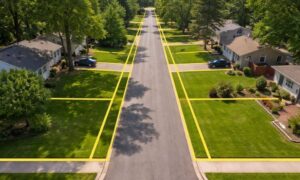
A boundary survey shows exactly where a property begins and ends. Surveyors use old maps, city records, and physical markers to figure out the true boundaries. For property owners, this is important because it ensures that fences, buildings, and other structures are placed correctly. Following property line survey guidance helps make sure measurements are accurate and reduces the chance of mistakes or disputes.
A boundary survey is not the same as a topographic survey. Topographic surveys focus on the shape of the land, including hills, slopes, and valleys, but they don’t establish legal property lines. That’s why boundary surveys are so critical. In Minneapolis, where properties are often very close together, getting the measurements right the first time can prevent costly errors and save time, money, and stress.
The Role of Utility Locates
Utility locates show where underground pipes and cables are. Electric, gas, water, and phone companies put colored flags, stakes, or paint to mark their lines. At first, this seems simple. But these markings are not always correct. Flags can fade, get moved, or be in the wrong spot.
When a boundary survey depends on these markings, mistakes can happen. For example, a gas line might be in the wrong place. If someone builds a fence or driveway on top of it, it can be dangerous. Surveyors have to make sure they double-check utility locates so their survey is accurate.
Liability Risks for Surveyors and Property Owners
Liability means being responsible for mistakes. In boundary surveys, liability happens when errors cause damage or delays. Surveyors can be responsible if a utility line gets damaged because they relied on wrong markings. Property owners can also face problems if they act on a survey that is not accurate.
Think about a Minneapolis developer planning a new building. A surveyor marks the property corners using utility tickets. If a buried electric line is in the wrong place and gets hit during construction, everyone—surveyor, builder, and owner—faces risk. Money must be spent to fix it. Projects get delayed. Legal issues may follow.
How Surveyors Reduce Risk
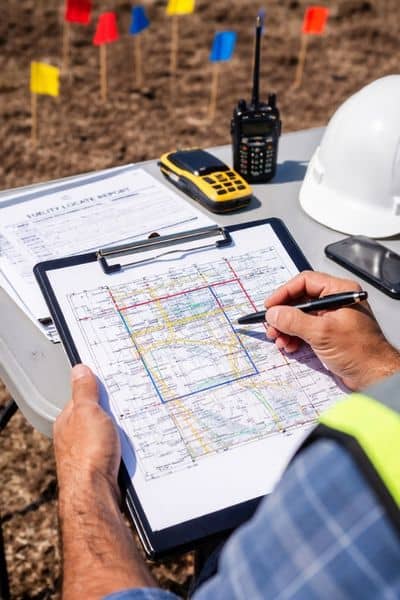
Professional surveyors know how to reduce risks with utility locates. First, they check that utility tickets are correct and up to date. Then they verify the marks on site. Some surveyors use tools like electronic detectors or LiDAR to find lines under the ground.
Documentation is very important. Surveyors take notes, photos, and GPS readings to show what they found. This protects both the surveyor and the client. Clear communication is also key. Surveyors explain the limits of utility locates to clients. This helps clients make smart decisions and avoid expensive mistakes.
Why Clients Should Care
Many homeowners only think about surveys when buying, selling, or building. But understanding utility locate risks can save time and money. Accurate boundary surveys help avoid delays, prevent repair costs, and reduce legal problems.
In Minneapolis, where properties are close together, a mistake can cause serious trouble. Homeowners, builders, and developers who know the risks can work better with licensed surveyors. By hiring a professional surveyor who checks utility locates carefully, they make sure fences, garages, or commercial buildings are in the right place from the start. This protects their investment and keeps projects running smoothly.
Conclusion
A boundary survey is more than putting stakes in the ground. It is a key step to protect property rights and investments. Utility locates may seem simple, but they can cause big problems if ignored or wrong. By knowing these risks, property owners and developers can make better decisions and avoid costly surprises.
Hiring a licensed land surveyor who carefully handles utility locates ensures that surveys are accurate, reduces risks, and protects your project. Don’t leave your property lines to chance. Schedule a professional boundary survey today and keep your investment safe.