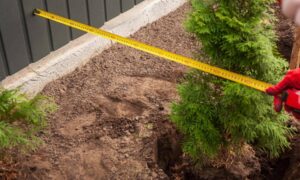

Property disputes between neighbors happen more often than most homeowners expect. Sometimes the issue starts small. A neighbor may walk across your yard, place something near the edge of your lot, or install landscaping close to the boundary. At first, it may seem like a simple misunderstanding. However, frustration can grow quickly. Many homeowners go online looking for advice. On forums and social media, people often share stories about neighbors cutting across lawns or using someone else’s property as a shortcut. The suggestions in those discussions usually include installing cameras, putting up warning signs, or calling the city to file a complaint. However, those actions often skip the most important step. Before escalating the situation, it helps to confirm where your property line actually sits. That is where a house survey becomes essential.
Why Property Line Disputes Start in the First Place
Property boundaries may look obvious, but they often are not. Grass lines, fences, and landscaping can make people assume where the edge of a property sits. Over time, neighbors may start using an area simply because it appears open or unused.
In cities like Minneapolis, homes often sit close together. Small lots leave little room for error when someone installs a fence, a walkway, or even a garden bed. Because of that, small assumptions can lead to real disagreements.
In addition, many people rely on online maps or property apps. Those maps help show general parcel locations. However, they do not provide exact legal boundaries. The lines you see online may appear precise, but they often serve only as rough estimates.
As a result, two neighbors can look at the same map and still disagree about where the property line sits.
A house survey removes that guesswork.
What a House Survey Actually Does

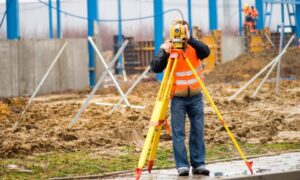
A house survey provides a professional measurement of your property. A licensed surveyor studies legal records, historical plats, and existing boundary markers. Then the surveyor measures the land using specialized equipment.
After completing the work, the survey confirms several key details:
- The exact location of your property boundaries
- The position of property corners or markers
- The location of buildings, fences, or structures near the line
- Whether anything crosses onto another property
Because surveyors follow legal standards, the results hold weight if a dispute ever reaches city officials or attorneys.
Therefore, instead of relying on assumptions, homeowners can point to clear evidence.
Why Calling the City First Rarely Solves the Problem
Many homeowners believe the city can settle a property dispute. It sounds logical. If someone violates a rule or crosses a boundary, city officials should step in.
However, city departments usually handle zoning rules, building permits, and code enforcement. They rarely determine where a property line sits.
When someone files a complaint about a neighbor crossing into their yard, the city often asks for documentation. Without proof, officials cannot determine who is correct.
That is why many complaints stall. The city cannot enforce something that no one has verified.
A house survey gives the city the information they need if the issue moves forward. More importantly, it often solves the dispute before the city becomes involved.
A Situation Many Homeowners Face
Consider a common scenario that appears frequently in online discussions. A homeowner notices that a neighbor walks across their lawn every day. The shortcut saves the neighbor a few steps. However, the homeowner feels uncomfortable and frustrated.
Soon the homeowner considers several options. They might install motion lights, place signs, or confront the neighbor directly. Some people even consider installing sprinklers to discourage the behavior.
While those reactions may feel satisfying, they may not address the real question. Does the neighbor actually cross the property line?
Without confirmation, the homeowner risks creating a bigger conflict. The neighbor might claim that the walkway sits partly on their own property.
At that point, the argument turns into a battle of opinions.
However, a house survey can quickly settle the issue. Once the boundary becomes clear, both sides can see the facts.
How a House Survey Helps Calm a Dispute
Property conflicts often become emotional because people feel their space has been violated. However, arguments usually fade when clear measurements enter the conversation.
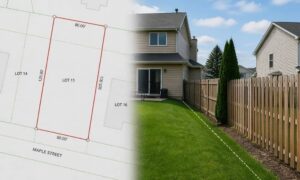
A survey shifts the focus from opinion to documentation. Instead of debating where the property line might be, both neighbors can look at the results and see the boundary clearly mapped out. That kind of clarity often comes from a professional house survey, which shows exactly where one property ends and the next begins.
For example, the survey may show that the neighbor crosses several feet into your yard. In that case, you can explain the situation calmly and show the evidence. Many neighbors respect that information once they see the official boundary.
On the other hand, the survey might reveal that the walkway sits closer to the line than expected but still remains within legal limits. That discovery can prevent unnecessary arguments.
Either way, the survey provides clarity.
Signs It May Be Time to Get a House Survey
Several situations signal that homeowners should confirm their boundaries.
For example, disputes often begin when neighbors plan improvements. One neighbor may want to build a fence, plant trees, or install a shed. If the project sits close to the boundary, even a small mistake can cause problems.
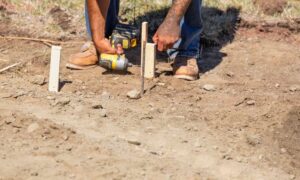
Other times, homeowners simply cannot find their property corners. Markers may sit buried underground or hidden by landscaping.
Additionally, regular foot traffic across your yard can raise questions about where the boundary lies. At that point, many homeowners decide to speak with a land surveyor in Minneapolis to confirm exactly where their property line sits.
In each case, a house survey helps homeowners understand their property before conflict grows.
Planning a Fence or Barrier the Right Way
Many homeowners decide to build a fence after dealing with repeated boundary issues. A fence can help define space and improve privacy. At the same time, it helps to look at the Minneapolis fence rules so you understand what the city allows before starting the project.
However, placing a fence without confirming the boundary can create serious problems. If the fence crosses the property line, the neighbor may demand that it be moved. In some cases, homeowners must remove the fence entirely.
A house survey prevents that mistake.
Once the survey identifies the property corners, homeowners can place the fence safely inside their own property. As a result, the fence clearly marks the boundary without creating new disputes.
Clear Boundaries Prevent Bigger Problems
Neighbor disagreements rarely begin with major issues. Instead, small misunderstandings slowly build tension over time.
Fortunately, many disputes resolve quickly once homeowners confirm their boundaries. A house survey provides the facts needed to settle questions about property lines.
Before filing complaints or calling city offices, it often makes sense to verify the boundary first. With accurate information in hand, homeowners can approach the situation calmly and confidently.
Clear boundaries lead to better conversations. More importantly, they help neighbors avoid unnecessary conflict and keep the peace in the community.